. Any information published on this site will be valid in relation to Science Tokyo.



TAIST-Tokyo Tech Student Exchange Program in Thailand (SERE) 2023
Year of Study: |
M2 |
|---|---|
School: |
Civil and Environmental Engineering |
Country / Region: |
Thailand |
University / Institution: |
Thailand National Science and Technology Development Agency(NSTDA) |
Program Duration: |
February 6 - March 21 |
Program Name: |
Overview of the program and the host organization abroad
It is an established exchange program between TokyoTech and TAIST. For TokyoTech students,
it provides an opportunity to do an internship at one of the research laboratories at the National
Science and Technology Development Agency (NSTDA) in Thailand. In my case, it was the
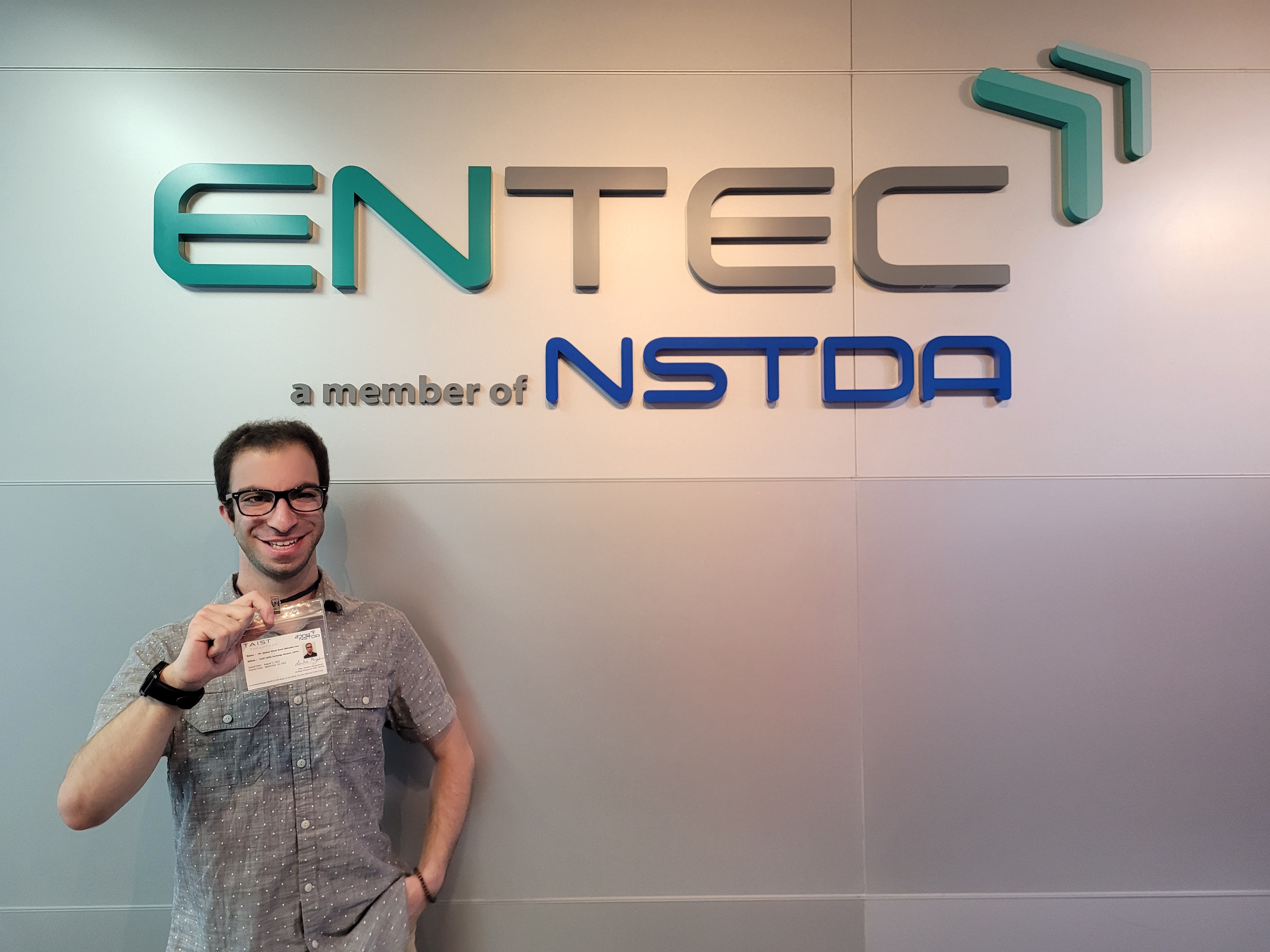
Solar Photovoltaic Research Team of the National Energy Technology Center (ENTEC).
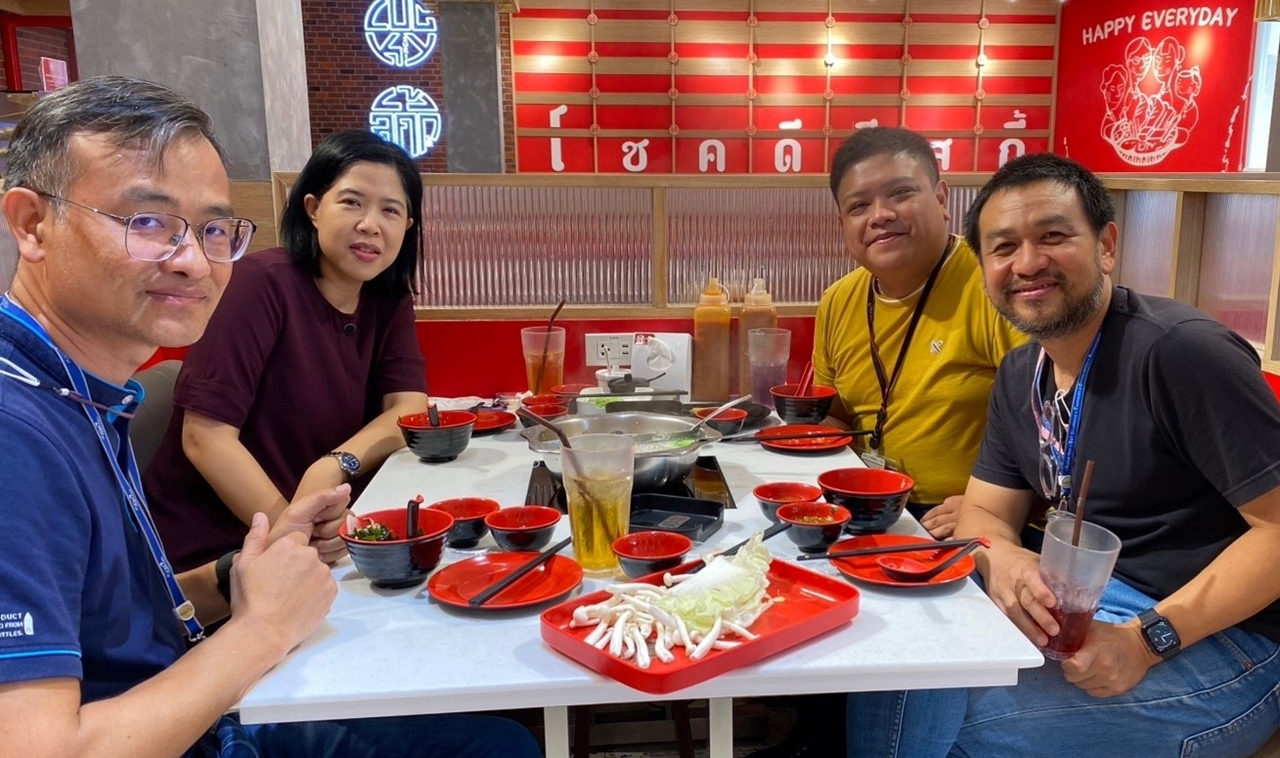
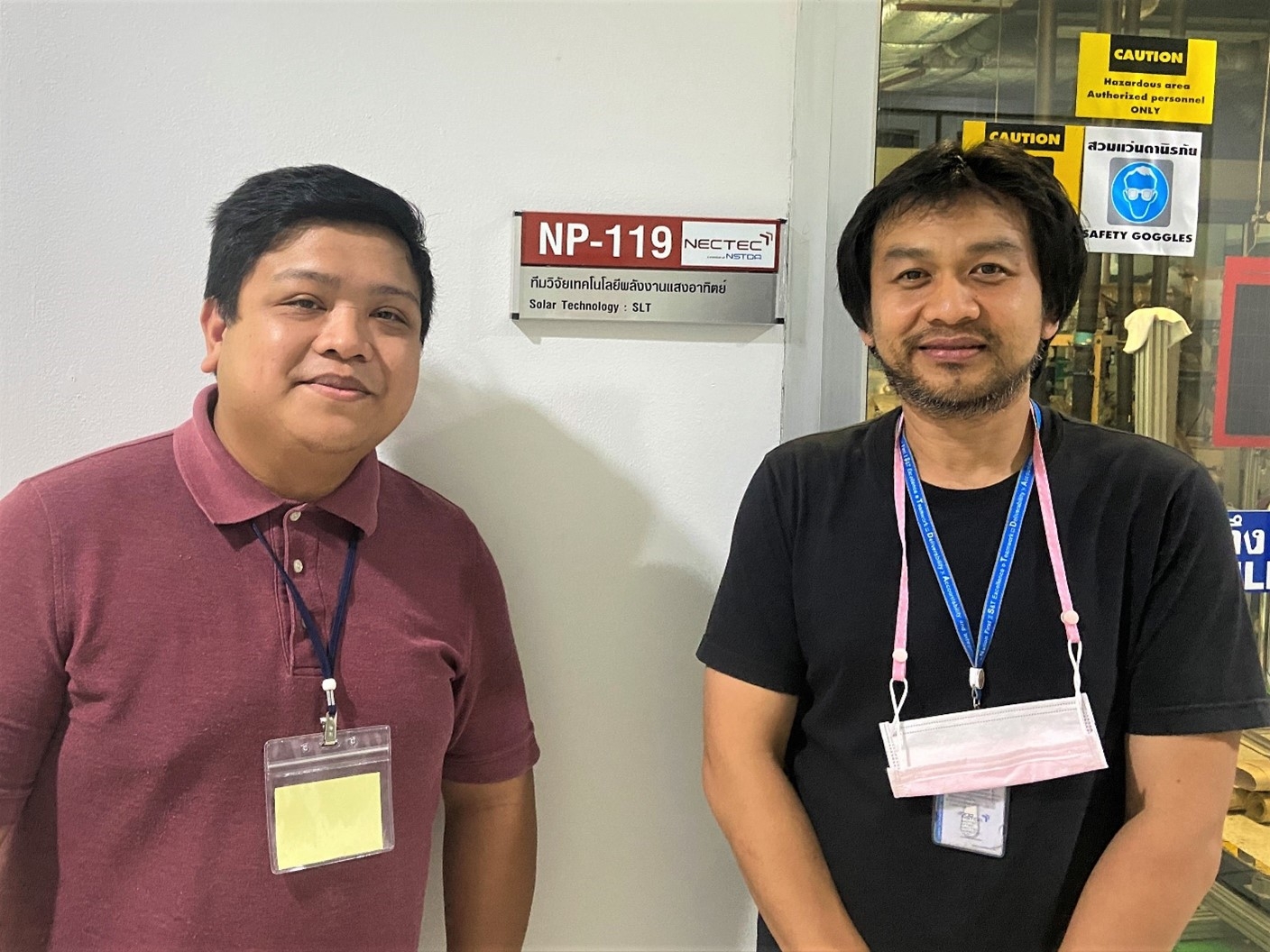
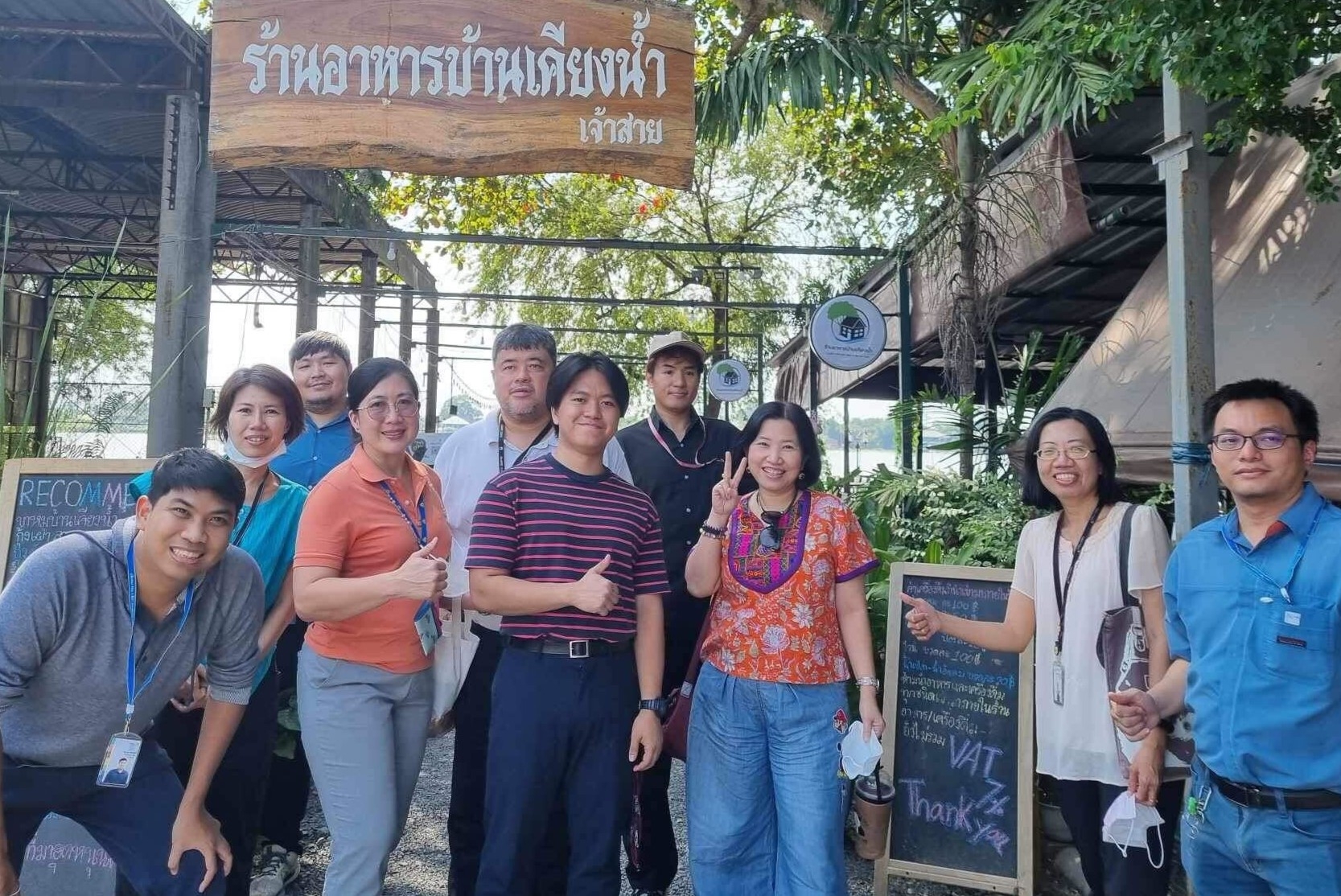
With the Solar Photovoltaic Research Team
Pre-departure preparation
Information about supervisor and research themes: https://www.nstda.or.th/en/
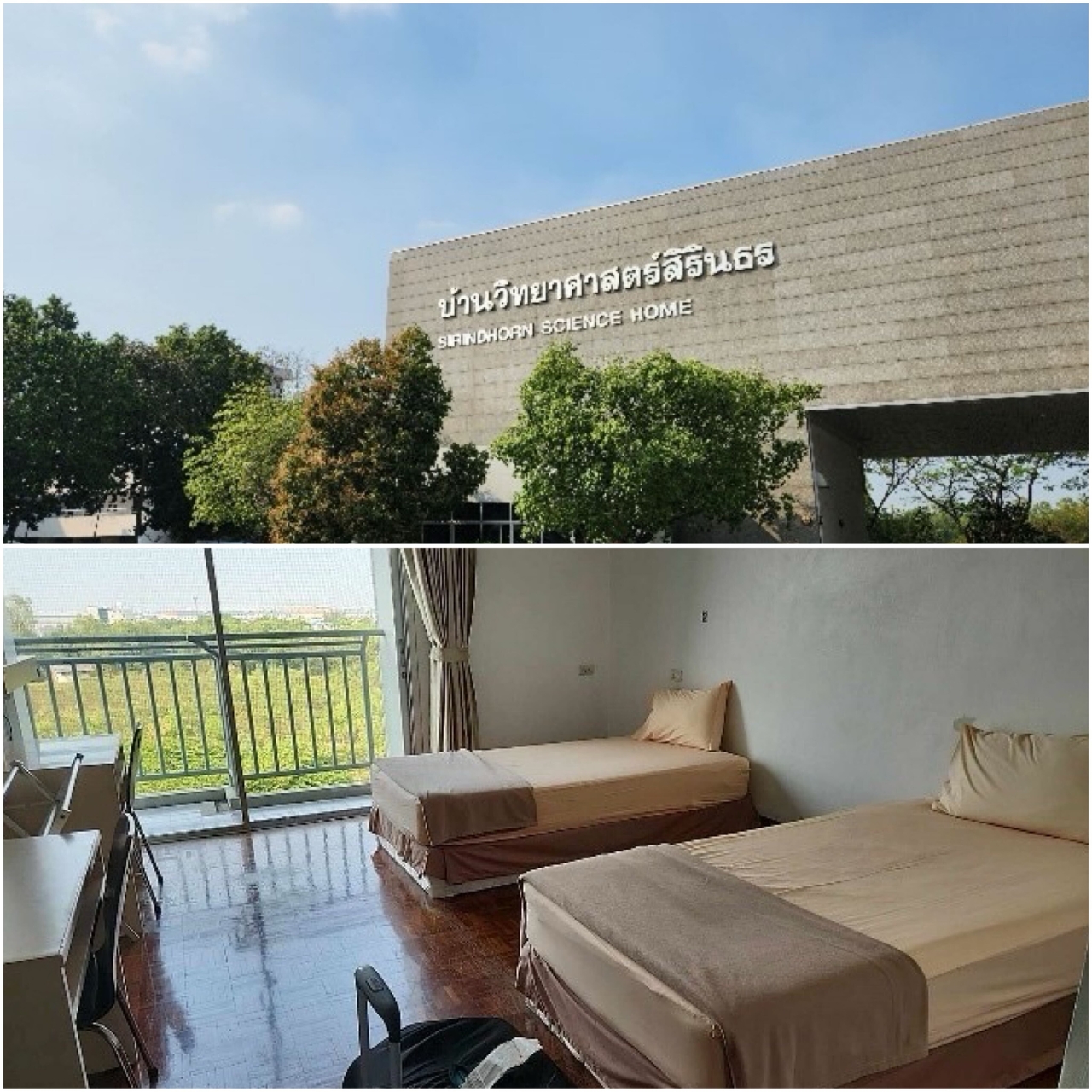
Accommodation was provided for free at the Sirindhorn Science Home, less than 10 minutes away by bike from the research laboratories: https://www.nstda.or.th/ssh/
Visa was obtained for free from the Thai Embassy in Japan located in Meguro. It is a Non-immigrant-ED type of visa. https://site.thaiembassy.jp/en/visa/type/11024/
Academic activities during study abroad
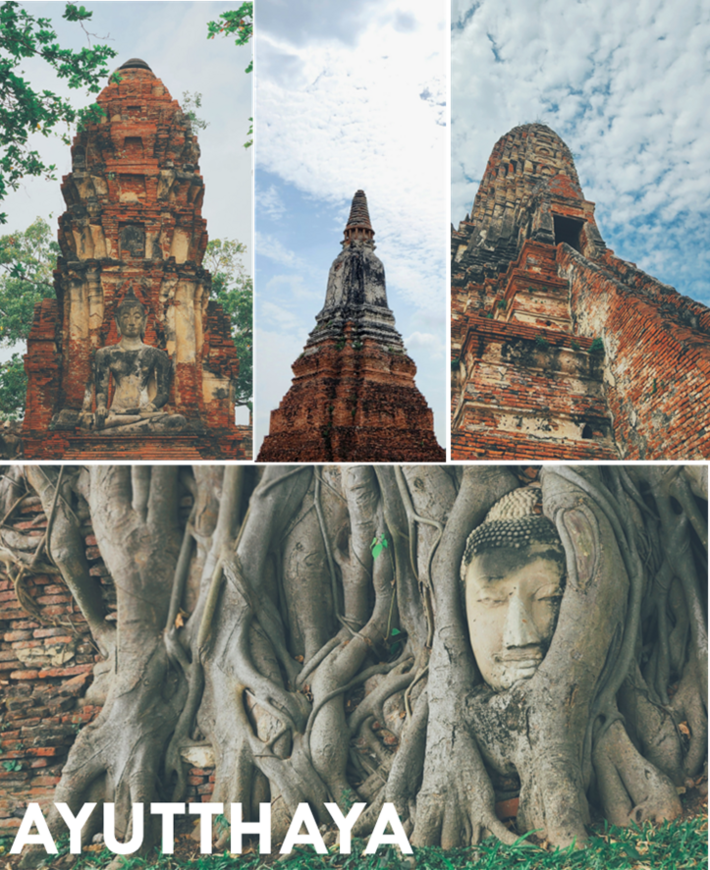
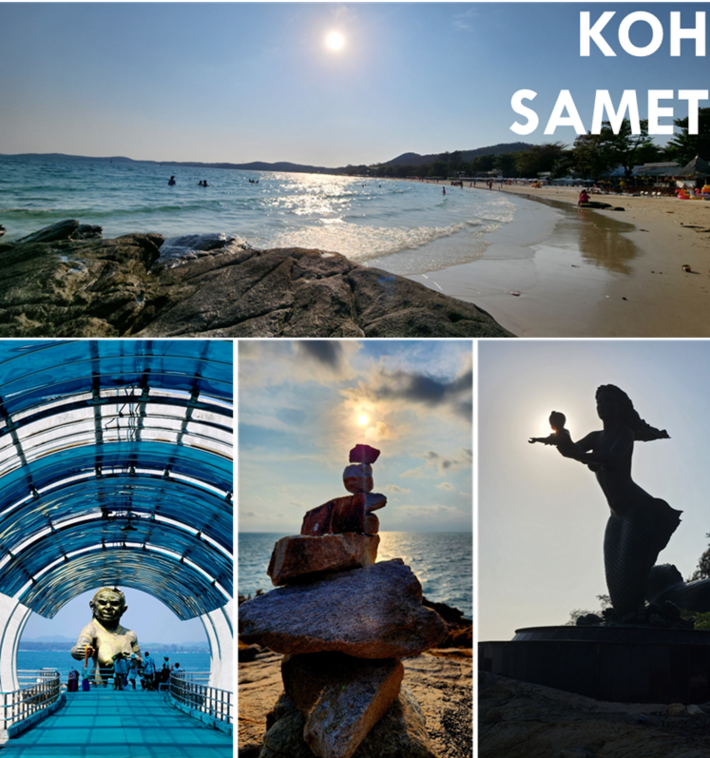
I did mostly desktop research since it involved solar power potential modeling and bus charging network optimization. We were supposed to do a site visit of the project area but that was cancelled due to a delay in the paperwork for approval. The research lab is adjacent to Thammasat University and the Asian Institute of Technology, so I was able to explore these areas and participate in school fairs. I also did some day trips during the weekends to Bangkok and Ayutthaya, which were both about an hour away.
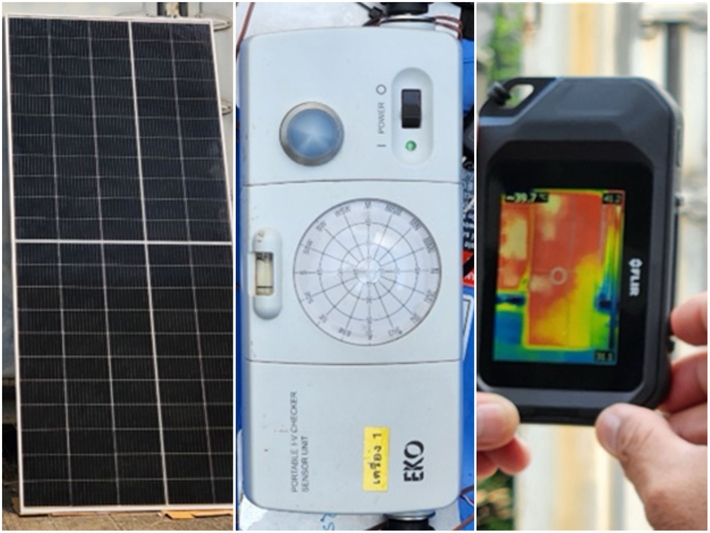
Solar Panel Testing
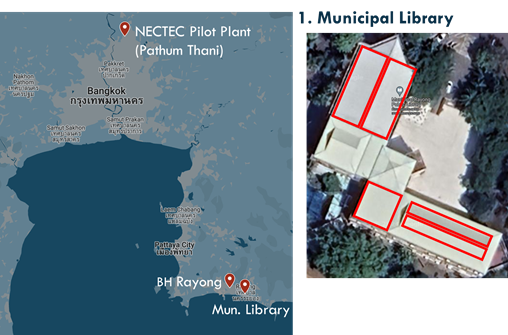
Research Project Site
Episode in which you experienced personal growth or development
Personally, I feel that having to explore a new culture, including its own customs, food, and structures was a good experience. Also, since there was a language barrier, having to interact with locals was a struggle and a learning experience as well.
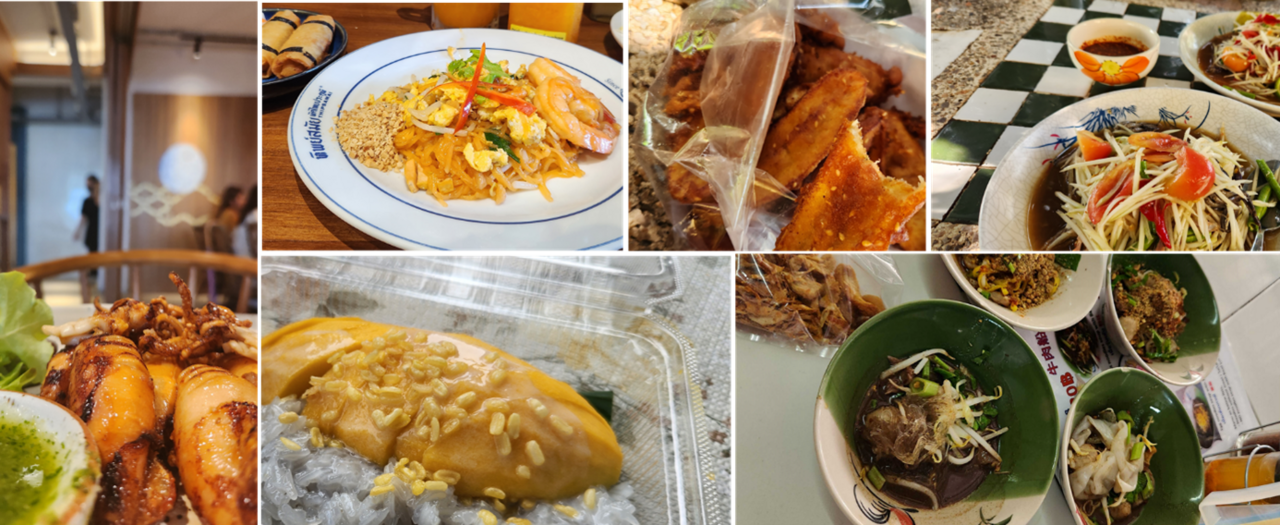
L to R: Fried Stuffed Squid; Pad Thai; Fried Banana; Som Tum (Green Papaya Salad); Mango Sticky Rice; Thai Boat Noodles
Study abroad expenses
Flight: Haneda-Bangkok-Haneda: 90-100,000 JPY
Accommodation: free
Insurance: ~20,000 JPY
Living: ~2,000 JPY per day
Scholarship: none
Accommodation at the destination
Sirindhorn Science Home – host dormitory with 1 roommate (also a TokyoTech student)
Language at the destination
Thai language – hard to learn, especially read due to different alphabet
English – basically understood by most, especially in research lab. For daily interactions with food vendors, a bit more difficult though most can understand but some are shy to speak.
Recognition of credits which you took at the university
Did not take courses at the host institute.
How do you make use of your study abroad experience in your future life?
The topic was related to my doctoral research. Also, collaborations with researchers at the host institute are possible.
Indicate trouble or issues you experienced during study abroad
The main issue would be the flight cost since daily living is much less expensive compared to Japan. Communication is the next big issue since it is needed for ordering food, finding locations, etc. Apps greatly helped, especially with food delivery and transportation.
Advice to other students
Prepare for spicy food. Learn basic daily phrases. Download useful apps. Be brave in exploring different places.
Information about the Study Abroad Program / International Experience referenced in this Report
Other Related Student Reports
-
TAIST-Tokyo Tech Student Exchange Program in Thailand (SERE) 2023
- Thailand
- Thailand National Science and Technology Development Agency(NSTDA)
- October 3 - November 25
- Cross-cultural experience、Research、Internship
-
TAIST-Tokyo Tech Student Exchange Program in Thailand (SERE) 2023
- Thailand
- Thailand National Science and Technology Development Agency(NSTDA)
- August 5 - September 19
- Cross-cultural experience、Research、Internship
-

TAIST-Tokyo Tech Student Exchange Program in Thailand (SERE) NSTDA 2016
- Thailand
- NSTDA
- August 2016 - March 2017
- Coursework、Internship、Cross-cultural experience